How to Play Roulette: A Complete 2000-Word Beginner’s Guide

How to Play Roulette

Roulette has always been one of the most iconic and engaging games in casinos. Its spinning wheel, fast results, and mix of luck and anticipation make it a favourite among beginners and experienced players. If you’re trying to understand how to play roulette, the good news is that the game is simple, and anyone can learn it within minutes. Yet beneath this simplicity lies a world of betting styles, payouts, strategies, and variations that can influence your experience.

This detailed guide explains everything you need to know—from learning the rules to understanding roulette payouts, exploring different bet types, choosing the right table, and discovering smart strategies to improve your gameplay. It also includes guidance on how to play roulette online, which has become one of the most popular ways to enjoy the game from home.

As more players learn how to play roulette online, many look for platforms that replicate the atmosphere of a real casino. Live dealer roulette has become popular because it combines real wheels, professional dealers, and real-time interaction. Understanding how live casino platforms operate can help players choose where to play more confidently, which is why guides about Unibet and its live casino environment are often explored separately.

Understanding the Roulette Wheel in Detail

How to Play Roulette

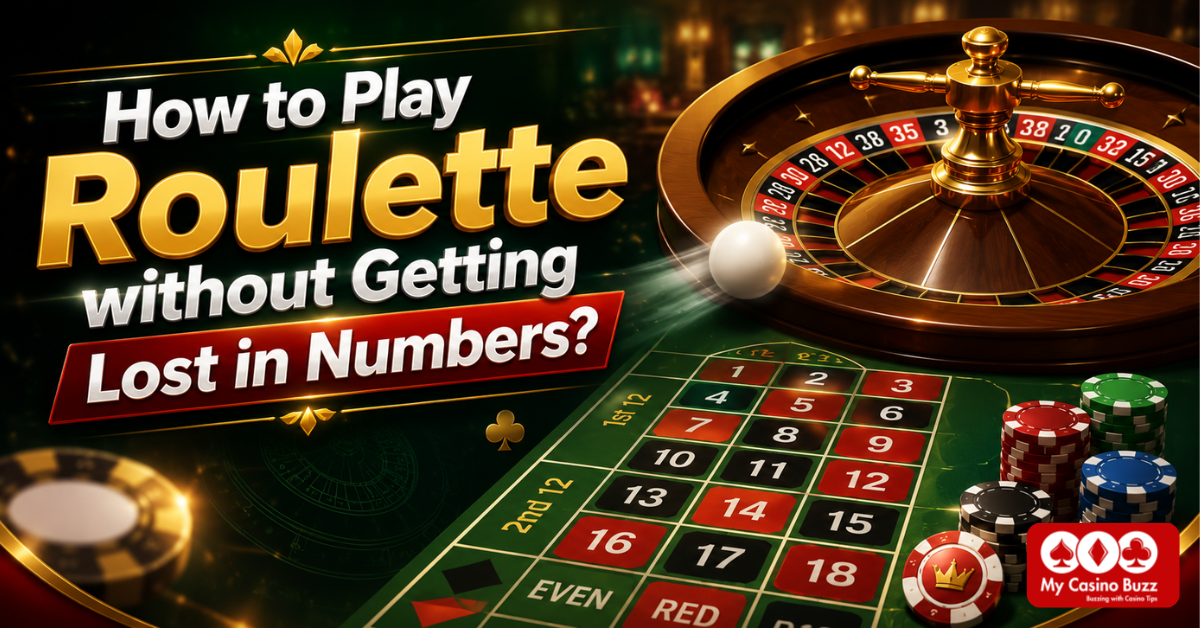
To truly understand how to play roulette, you must first understand the layout of the roulette wheel. The wheel is divided into numbered pockets that range from 1 to 36, alternating between red and black. The number 0 is colored green. In American roulette, there is an additional green pocket: the 00. This small difference changes the odds in ways that can affect your gameplay significantly.

European roulette has 37 pockets (1–36 + 0), while American roulette has 38 pockets (1–36 + 0 + 00). The presence of the extra 00 increases the house edge in American roulette, making European roulette a better choice for players who want improved odds. The ball is spun around the rim of the wheel, and when it slows down, it drops into one of the numbered pockets. The number where the ball lands determines the outcome of the spin.

This simple mechanism is what makes roulette both predictable in structure and unpredictable in outcome. Every spin is completely independent of the previous one, and there is no way to influence where the ball will land.

The Roulette Table and Layout Explained

How to Play Roulette

The roulette wheel works alongside a betting table that contains all the numbers and categories where players can place their bets. The table layout may look complicated at first, but once you understand the sections, it becomes easy to navigate.

The single-number boxes represent inside bets, while the outer areas of the table represent outside bets. The table includes sections for red, black, odd, even, high numbers, low numbers, dozens, and columns. Learning the table layout helps you move confidently from one wager to another and allows you to plan your bets more effectively.

Inside Bets: Higher Risk, Higher Reward

These bets focus on single numbers or small groups of numbers. They are known for offering high payouts because the probability of hitting these combinations is lower. Anyone learning how to play roulette should understand the concept of inside bets because they form the foundation of more adventurous gameplay.

When you place an inside bet, you are predicting specific outcomes. A straight bet involves choosing a single number. A split bet involves two numbers that share a border on the layout. A street bet covers three numbers in a row, while a corner bet covers four numbers. A line bet includes six consecutive numbers across two rows.

Although these bets come with higher rewards, they are more unpredictable. Players who enjoy the thrill of going for big wins often prefer inside bets, but beginners usually start with simpler options before experimenting with these high-risk choices.

Outside Bets: Safer Options for Beginners

Outside bets are easier to understand and offer better chances of winning because they cover larger groups of numbers. These categories include red or black, odd or even, high or low numbers, dozens, and columns. While the payouts for outside bets are lower, they provide a more consistent and steady way to enjoy the game.

Someone learning how to play roulette online or at a physical casino often starts with outside bets because they offer nearly 50 per cent probability on even-money categories like red, black, odd, even, high, and low. These bets allow players to stay in the game longer, manage their bankroll more easily, and experience frequent wins.

Understanding the balance between risky inside bets and safer outside bets helps you decide which style matches your personality and goals.

Roulette Payouts and How They Work

A major part of learning the game involves understanding roulette payouts. Every type of bet in roulette offers a different payout based on the likelihood of that outcome occurring. The less likely the outcome, the more the bet pays.

A straight bet on a single number pays the highest amount. Split bets, street bets, and corner bets offer lower payouts because they cover more numbers but still carry significant risks. Outside bets, such as red or black, pay even money because the chances of winning are much higher.

Common Roulette Variations and Their Differences

Understanding the different versions of roulette can help improve your odds. European roulette offers better chances because it has only a single zero. American roulette includes a double zero, which increases the house edge. French roulette, another popular variation, uses the European wheel but includes special rules such as La Partage and En Prison, which reduce losses on even-money bets.

When someone first learns how to play roulette, these differences may seem small, but they have a meaningful impact on long-term results. Choosing the right variation can offer more frequent wins and improve your overall gameplay experience.

Understanding Roulette Strategy for Smarter Play

Players often look for a roulette strategy to improve their results. While roulette is ultimately a game of chance, strategies can help you manage your bets and control your bankroll. Strategies like the Martingale, Reverse Martingale, D’Alembert, Fibonacci, and Constant Bet approaches are not designed to guarantee wins, but they help shape your betting pattern.

A strategy can guide you when to increase your bet, when to reduce it, and how to stay disciplined during long sessions. For example, the Martingale strategy involves doubling your bet after every loss in hopes of recovering losses in the next win. The D’Alembert strategy involves steady and moderate bet changes based on wins and losses.

Each strategy has strengths and limitations, and players choose based on personal risk tolerance and playing style.

Is There a True Roulette Winning Strategy?

The idea of a guaranteed roulette winning strategy is appealing, but it’s important to understand that no strategy can control or predict where the ball will land. Roulette is entirely random, and each spin is independent. This means every outcome is equally likely regardless of past results.

However, players can improve their chances by choosing European roulette, focusing on even-money bets, managing their bankroll wisely, and avoiding emotional decisions. These approaches do not guarantee wins, but they help create a more controlled and enjoyable playing experience.

Bankroll Management and Player Discipline

One of the most important skills in roulette is bankroll management. Players who understand how to play roulette effectively also know how to set limits, choose bet sizes carefully, and avoid chasing losses. Good bankroll management ensures that you stay in the game longer and enjoy the experience without unnecessary stress.

Discipline plays a major role as well. Setting goals, walking away after wins, and recognising when to stop can make a substantial difference in your results and overall enjoyment.

Read More

How Many Casinos Are in the United States Today?

Conclusion

Learning how to play roulette is easy, but mastering the game requires understanding the wheel, the table layout, the betting options, and the payout system. Whether you choose to play at a casino or prefer learning how to play roulette online, knowing the rules and adopting a sensible roulette strategy will enhance your experience. While no roulette winning strategy can guarantee consistent victories, smart decision-making, proper bankroll management, and a clear understanding of roulette payouts can guide you toward more enjoyable and controlled gameplay.

Roulette is ultimately a game of entertainment, and when played responsibly, it offers excitement, anticipation, and unforgettable moments.

Facebook
X
WhatsApp
Telegram